What if your next source of water wasn't a bottle, a tanker, a well or even the municipal supply?
Imagine waking up one morning during a water shortage and knowing that you have another option.
That is the intriguing idea behind Water Freedom System.
Instead of simply storing large quantities of bottled water, this digital guide teaches a DIY approach based on atmospheric water generation, the process of extracting moisture already present in the air, condensing it, collecting it and then treating it appropriately.
But here's the question:
Is Water Freedom System actually worth your time and money or is it just another overhyped internet product?
I took a closer look at what the system claims to offer, how the concept works, its potential advantages and its limitations.
And there are some things you should definitely know before buying.
Why Water Independence Matters
Water is one of those things most of us take for granted until we don't have it.
A municipal disruption, drought, infrastructure failure, natural disaster or emergency can suddenly turn something as simple as getting drinking water into a major problem.
And unlike many other emergency supplies, water isn't optional.
That's why alternative water-generation and water-storage solutions are attracting increasing attention.
The interesting thing about Water Freedom System is that it approaches the problem differently.
Rather than telling you simply to buy and store more water, it teaches a DIY concept for producing water from atmospheric moisture.
And that's what makes the idea so fascinating.
 What Exactly Is Water Freedom System ?
First, let's clear up a common misconception.
Water Freedom System isn't a physical water-generating machine delivered to your home.
It is a digital guide/blueprint that explains how to build an atmospheric water-generation system yourself using components that are described in the guide.
According to the vendor, the package includes:
1) Step-by-step instructions
2) Construction blueprints
3) A materials list
4) Illustrated instructions
5) Lifetime email support
Access to a member area with the digital resources
So you're essentially buying the knowledge and instructions, not a finished appliance.
That's an important distinction.
How Can You Get Water From Air ?
It sounds almost like science fiction.
But the underlying principle is actually quite simple.
Air contains water vapour.
When moist air comes into contact with a sufficiently cold surface, the moisture can condense into liquid water, just like the droplets that appear on the outside of a cold glass on a humid day.
Atmospheric water generators use this basic principle.
In simplified terms:
Air ? Cooling/condensation ? Water collection ? Treatment ? Storage
The technology itself is real and is used in commercial atmospheric water-generation systems.
The challenge isn't whether water can be condensed from air.
The real challenge is:
How much water can you realistically collect, under your particular environmental conditions, and how much energy does it take ?
That's where expectations become important.
The Biggest Factor: Humidity
This is probably the most important thing to understand before purchasing any water-from-air system.
Humidity matters. A LOT.
Warm, humid air contains substantially more moisture than cool, dry air.
That means a system operating in a humid environment may have considerably more moisture available to condense than the same system operating in a very dry environment.
So don't assume that an advertised maximum water output will be your everyday output.
Your actual results can depend on factors such as:
1) Relative humidity
2) Temperature
3) Airflow
4) Condensation efficiency
5) System design
6) Electricity consumption
7) Filtration
8) Operating hours
Independent reviews of Water Freedom System similarly caution that atmospheric water generation is highly dependent on environmental conditions.
In other words: don't buy this expecting a magical tap that produces unlimited water regardless of the weather.
What I Like About the Water Freedom System
1. It's a DIY Approach
For people who enjoy understanding how things work and building practical projects themselves, this is potentially the biggest attraction.
Instead of buying an expensive finished machine, the concept is to learn how the system works and build your own setup.
That can be appealing for:
A) DIY enthusiasts
B) Homesteaders
C) Preparedness-minded households
D) Off-grid enthusiasts
E) People interested in alternative water solutions
2. The Concept Is Fascinating
There's something undeniably compelling about turning humidity in the air into a usable water source.
You're not "creating" water from nothing.
You're harvesting moisture that is already present in the atmosphere.
That makes the concept particularly interesting in regions where atmospheric moisture is abundant.
3. You Learn Something Instead of Just Buying Something
This is an underrated advantage.
When you purchase a finished appliance, you generally don't learn much about what's happening inside it.
A DIY approach can teach you about:
humidity ? condensation ? collection ? filtration ? storage
That knowledge may be valuable even beyond this particular project.
4. It's Potentially More Interesting Than Simply Stockpiling
Emergency water storage is useful, but stored water eventually needs to be replenished.
A water-generation concept offers something different:
a potential method of producing additional water when conditions are suitable.
That makes it worth investigating as part of a broader preparedness strategy.
But Here's What You Should NOT Expect
Let's be realistic.
Water Freedom System shouldn't be viewed as a magic solution to every water problem.
There are several limitations.
It's not a ready to use machine
You have to build the system yourself.
That means sourcing components, assembling them and ensuring the resulting setup operates properly.
The guide isn't the total project cost
The price of the digital guide is only one part of the equation.
You'll also need to account for:
1) Components
2) Tools
3) Electricity
4) Filtration
5) Maintenance
6) Replacement filters or other consumables
Your climate matters
A system that performs well in humid conditions may perform dramatically differently in a dry environment.
DIY water requires caution
Perhaps the most important point of all:
Water that has condensed from air isn't automatically safe to drink simply because it looks clear.
The collection surfaces, tubing, reservoir and surrounding environment can introduce contaminants.
Any DIY drinking-water system therefore needs appropriate filtration, sanitation and safe storage—and users should verify that their finished setup is actually suitable for potable water.
Is Water Freedom System Worth It ?
That depends on what you're expecting.
If you're looking for a plug-and-play water machine, this isn't it.
If you're expecting unlimited drinking water regardless of climate, you should probably reconsider.
But if you're a DIY enthusiast who is interested in atmospheric water generation and wants a set of instructions and plans to explore the concept, the proposition becomes much more interesting.
The vendor currently presents the product as a digital guide with a 60-day money-back guarantee through ClickBank.
That reduces some of the financial risk of evaluating the guide, but it doesn't eliminate the practical costs involved in actually building and operating the system.
My Overall Take
I'd summarize Water Freedom System like this:
Interesting concept. Real technology. But realistic expectations are essential.
The underlying idea of atmospheric water generation isn't fantasy.
The technology is based on a straightforward physical principle: extract moisture from air through condensation.
Where you need to be careful is with the marketing.
Water output isn't going to be identical everywhere.
Your climate, humidity, temperature, system design and energy availability all matter.
So I wouldn't approach Water Freedom System thinking:
"This will solve all my water problems."
I'd approach it thinking:
"Could this teach me how to build an additional source of water for my particular environment?"
That's a much more sensible question.
And for the right DIY-minded person, that could make the guide worth exploring.
Who Might Want to Consider It?
Water Freedom System may be worth investigating if you:
1) Enjoy DIY projects
2) Are interested in off-grid living
3) Want to explore atmospheric water generation
4) Live in a relatively humid environment
5) Want to learn how air-to-water systems work
6) Are interested in emergency preparedness
7) Don't mind sourcing and assembling components yourself
On the other hand, you may want to look elsewhere if you:
a) Want a ready-made appliance
b) Don't enjoy DIY projects
c) Live in an extremely dry environment
d) Need a guaranteed high-volume drinking-water supply
e) Don't want to deal with maintenance, filtration and sanitation
The Bottom Line
Water is too important to depend on a single solution.
The smartest approach to water security is probably redundancy:
Store water + have filtration + understand your local water sources + explore alternative generation where appropriate.
Water Freedom System fits into that bigger picture as an interesting DIY experiment and potentially useful supplemental approach—not as a replacement for every other source of water.
If you've ever wondered whether it is possible to harvest moisture from the air and turn it into a usable water source, this is certainly an idea worth exploring.
Want to See How the Water Freedom System Works?
If you're curious about the plans, components and approach, you can take a look at the official offer here:
Take a look at the details, understand exactly what you're purchasing, consider the additional equipment and operating costs, and decide whether the concept makes sense for your climate and your needs.
Your water security is worth thinking about before you actually need it.
A Quick Note Before You Buy
Water Freedom System is a digital DIY guide, not a guaranteed water supply or substitute for professionally engineered potable-water equipment.
Actual water production will vary according to environmental and system conditions. Any water intended for drinking should be appropriately treated and tested for safety.
#WaterFreedom, #WaterFreedomSystem, #WaterFreedomSystemReview, #WaterFreedomSystemScam #AtmosphericWaterGeneration


This bizarre Blue Tonic is the talk of Tik Tok with scores of users crediting it for their weight loss success.
By simply mixing with water and taking before bed a 46 year old mom of 3 from Kansas was able to liquify 63 pounds of stubborn fat from her hips, arms, belly and thighs that had plagued her for so long.
Visit link below to find out all about it.
This oriental blue tonic melts fat overnight

?
?
This is going to surprise you...
A little-known whistleblowing doctor walked into a top US hospital with this common pantry food, prepared it and gave it to the overweight patients...
And within weeks 96% of them had dropped an average of 29.4 lbs, supporting healthy blood sugar and blood pressure...

How the doctor's unusual method works is nothing short of incredible... and it has changed everything we thought we knew about weight loss.
The craziest part?
You can do this method for yourself in less than 30 seconds a day...
With one simple pantry food.
Try it for yourself now:
>>> Doctor's Unusual Method Liquifies Fat Cells As You Sleep
Skeptical?
I was too, but then I saw this shocking proof for myself.
To your health,
Cheers
PS. If you have weight concerns, you should try this method for yourself right now. The $80 billion dollar weight loss industry do not want you to see this video and discover the amazing fat-melting pantry food. Watch it now before it's too late.
?#PuraviveReview?, ?#PurviveReview?, ?#PuraviveScam?, ?#Puravive?
Top German scientists from Mannheim have discovered by preparing a very common pantry food with a new and unusual method will increase calorie burning by up to 326%!
Can you guess which common pantry food it is?
(Click below to find out answer)

Thousands are already using this ONE household food (which is inside your home right now) and preparing it in this very unusual way to liquify fat cells and drop an average of 29.4 lbs!
To find out the identify of the mystery pantry food and the exact fat-melting method for yourself watch this video.
To your health,
Cheers
Did you hear about the unusual rice method that liquifies fat cells as you sleep?
Clinical studies confirm just 30 secs of this simple rice technique boosts calorie burning and fat-dissolving by over 326%, that's more calories than 45 mins running!

Before you go to sleep tonight, try it for yourself...
>>> 1 Unusual Rice Method That Liquifies Fat As You Sleep
Don't waste another second on:
X--- Fad diets that are impossible to enjoy...
X--- Gym memberships or fitness apps...
X--- Calorie counting
Instead, just try this one easy fat-dissolving rice method before you sleep tonight and drop lbs of stubborn fat by morning.
To your health,
Cheers




Unveiling Puravive: A Symphony of Nature's Finest for Weight Harmony
In a world teeming with quick fixes and magic bullets for weight loss, Puravive emerges as a beacon of hope, intertwining the wisdom of nature with scientific prowess. Crafted from a medley of tropical riches, Puravive stands not just as a supplement but as a testament to the power of natural healing. Its core mission? To address the silent culprit behind weight struggles - the elusive brown adipose tissue (BAT) levels.
From Nature’s Lap to Your Doorstep: The Puravive Promise
Encased within each capsule of Puravive is a promise of purity and effectiveness, nurtured in the heart of the USA. Beyond its striking visual appeal lies a commitment to quality and safety, making it a beacon of trust for those on their weight loss journey.
Interested To Read More Customer Testimonials? Visit The Official Website
 Journey Through the Essence of Puravive
Dive into the heart of Puravive, where each capsule is a portal to well-being. With ingredients like Luteolin and Kudzu, Puravive whispers the secrets of age-old remedies in a modern melody, aiming to enhance BAT levels and unlock the body's innate fat-burning potential.
The Symphony of Benefits: Beyond Weight Loss
Puravive's narrative extends beyond weight loss, harmonizing energy levels, sleep cycles, stress reduction, and overall health. It’s a holistic approach to wellness, encapsulated.
The Verdict: A Nature-Inspired Path to Weight Wellness
Puravive stands as a testament to the harmony between nature and health. With its roots deeply embedded in clinical research and its essence blossoming in efficacy, it offers a path to weight wellness that respects the body's natural rhythms. No side effects, just the gentle touch of nature guiding you towards a healthier self.
Ready To Try? Click To Order Puravive Directly From Its Official Website
Embracing Puravive: A Step Towards Harmonious Health
As the curtain falls on Puravive's story, one thing is clear: it’s more than a supplement; it's a partner in your journey to wellness. With the backing of nature's finest, a commitment to quality, and the promise of holistic health benefits, Puravive invites you to take the first step towards a balanced, healthier life.
FAQs: Your Guide to Embracing Puravive
- Delivery Timeframe: Your gateway to wellness, delivered within 7-15 days, depending on your location.
- Missed a Dose?: Harmony is key. Simply resume the next day without doubling up.
- Billing Queries: Transparent and upfront, with no recurring charges.
- Choosing Your Package: Tailor your Puravive experience to your needs, with the six-bottle package offering the best in value and bonuses.
- Vegan-Friendly: A testament to its all-natural, vegan composition, free from the shadows of chemicals and toxins.
Embark on a journey with Puravive, where each capsule is not just a step towards weight loss, but a stride towards holistic well-being.
Click To Order Puravive With A 180-day Money-back Guarantee From Its Official Website


Traveling with young children can be both rewarding and challenging. Exploring new destinations, experiencing different cultures, and creating lifelong memories with your little ones are priceless. However, navigating long flights, unfamiliar environments, and unpredictable schedules can test the patience of even the most seasoned traveler. In this article, we'll share practical tips and strategies to make your family vacation enjoyable and stress-free, even with young children in tow.
- Planning and Preparation
A successful family trip starts with thorough planning and preparation. Keep these factors in mind when organizing your vacation:
- Choose family-friendly destinations: Opt for destinations with activities and attractions that cater to children of all ages. Theme parks, zoos, museums, and beaches can offer engaging experiences for the whole family.
- Research accommodations: Look for family-friendly accommodations with amenities like cribs, highchairs, and play areas. Renting a home or apartment can offer more space and access to a kitchen, making meal times easier.
- Book direct flights or convenient layovers: When booking flights, consider the needs of your young children. Direct flights or layovers with ample time can help minimize the stress and fatigue of air travel.
- Create a flexible itinerary: Plan a loose schedule with plenty of downtime for naps and relaxation. Be prepared to adjust your plans according to your children's needs and energy levels.
- Packing Essentials
Packing efficiently can make traveling with young children more manageable. Here are some essentials to include in your luggage:
- Clothing: Pack comfortable, weather-appropriate clothing and extra changes of clothes for accidents or spills. Don't forget essentials like pajamas, socks, and underwear.
- Diapers and wipes: Bring enough diapers and wipes to last at least a few days, as these items can be more expensive or difficult to find in some destinations.
- Snacks and meals: Pack an assortment of non-perishable, mess-free snacks and pre-packaged meals for the journey. This can help keep your little ones happy and satisfied during long travel days.
- Entertainment: Bring along age-appropriate toys, games, and activities to keep your children entertained during flights and downtime. Tablets with pre-downloaded movies and games can be a lifesaver during travel.
- Travel essentials: Don't forget items like strollers, car seats, and baby carriers to make navigating airports and new environments more comfortable.
- Tips for Air Travel
Air travel can be particularly challenging with young children. Follow these tips to make your flight experience smoother:
- Arrive early: Give yourself plenty of time to navigate the airport, check-in, and go through security. This will help reduce stress and allow for any unexpected delays.
- Carry-on essentials: Pack a well-stocked carry-on bag with diapers, wipes, snacks, changes of clothes, and entertainment to handle any in-flight needs.
- Boarding and seating: Take advantage of early boarding for families with young children. If possible, book seats with extra legroom or near the front of the plane for easier boarding and deplaning.
- In-flight comfort: Encourage your children to drink water and chew gum or suck on a pacifier during takeoff and landing to help alleviate ear pressure. Bring a favorite blanket or stuffed animal for added comfort.
- Staying Healthy and Safe
Keeping your children healthy and safe during your travels is a top priority. Consider these tips:
- Pack a first-aid kit: Bring along a small first-aid kit with essentials like band-aids, pain relievers, and any necessary prescription medications.
- Sun protection: Apply sunscreen regularly and outfit your children with hats and sunglasses to protect them from the sun's harmful rays.
- Food safety: Be cautious when trying new foods, especially in areas with different sanitation standards. Stick to reputable restaurants and avoid street food or undercooked dishes to minimize the risk of illness.
- Hydration: Ensure your children stay well-hydrated, especially in hot climates. Carry a refillable water bottle and encourage them to drink water frequently.
- Childproof your accommodations: Upon arrival, take a few minutes to childproof your accommodations. Look for potential hazards like exposed electrical outlets, sharp corners, or unsecured furniture and address them as needed.
- Keep an eye on your belongings: Be vigilant about keeping your personal belongings secure, particularly when traveling with young children who may be more prone to losing things. Consider using a small backpack or crossbody bag to keep essentials like passports, tickets, and money close at hand.
- Embrace Local Culture and Experiences
Traveling with young children presents an opportunity to introduce them to new cultures, languages, and experiences. Keep these tips in mind to maximize their learning and enjoyment:
- Engage with locals: Encourage your children to interact with local people, from asking for directions to trying new foods. This can help them build confidence and learn about different ways of life.
- Explore at a child's pace: Be mindful of your children's energy levels and interests, and plan activities accordingly. Rather than trying to cram in too many attractions, focus on quality experiences that your children will remember and appreciate.
- Encourage curiosity: Foster an atmosphere of curiosity and open-mindedness by asking questions, discussing new experiences, and reflecting on your travels as a family.
- Be Patient and Flexible
Traveling with young children requires patience, flexibility, and a sense of humor. Keep these strategies in mind to maintain a positive attitude throughout your trip:
- Expect the unexpected: Be prepared for unexpected delays, tantrums, or changes in plans. Remember that even the best-laid plans can go awry, and adaptability is key to enjoying your trip.
- Practice self-care: Traveling can be exhausting, especially for parents. Make sure you take care of yourself by getting enough sleep, eating well, and taking breaks when needed.
- Create memories: Focus on the quality time you're spending with your family and the memories you're creating, rather than striving for a picture-perfect vacation. Remember that the challenges of traveling with young children are temporary, but the memories will last a lifetime.
Conclusion
Traveling with young children can be an incredibly rewarding experience, as long as you're prepared for the challenges that come with it. With careful planning, flexibility, and a positive attitude, you can make your family vacation a memorable and enjoyable adventure. Embrace the opportunity to explore new places, cultures, and experiences with your little ones, and you'll create lasting memories that your whole family will treasure for years to come.

International travel can be an exhilarating experience, offering opportunities to explore new cultures, languages, and breathtaking landscapes. However, to make the most of your journey, you need to plan and prepare adequately. In this article, we'll discuss four key things to keep in mind while embarking on your international adventure. By adhering to these tips, you'll ensure a smoother, safer, and more enjoyable trip.
- Passport, Visas, and Documentation
The first and most crucial aspect of international travel is ensuring that your passport, visas, and other necessary documentation are in order. Here are some essential points to consider:
- Passport validity: Make sure your passport is valid for at least six months beyond your planned return date. Some countries may deny entry if your passport is nearing its expiration date.
- Visas: Research the visa requirements for your destination country. Depending on your nationality, you may need to apply for a visa in advance or obtain one upon arrival. Keep in mind that visa rules and fees can change, so always double-check before your departure.
- Health documents: Some countries require proof of specific vaccinations or a negative COVID-19 test before entry. Keep your vaccination records and test results handy, as you may need to present them at the border or airport.
- Copies of documents: Make multiple copies of your passport, visas, and other critical documents. Leave one set with a trusted person at home and carry another set with you, separate from the originals. Having backups can save you time and stress in case of theft or loss.
- 2. Health, Safety, and Travel Insurance
Taking care of your health and safety should be a top priority when traveling internationally. Here are some points to consider:
- Travel insurance: Investing in comprehensive travel insurance is a must. It can cover medical expenses, trip cancellations, lost luggage, and other unforeseen events. Read the policy carefully to understand what is covered and any applicable limitations.
- Vaccinations and medications: Consult a travel health specialist at least six weeks before your trip to discuss necessary vaccinations and medications. This may include vaccines for diseases like yellow fever or medications for malaria prevention, depending on your destination.
- Personal safety: Stay informed about the safety situation in your destination country. Keep an eye on travel advisories from your government and reputable news sources. Be aware of local customs and laws, and practice common sense when it comes to personal safety.
- Emergency contacts: Keep a list of emergency contacts, including the phone numbers of your country's embassy or consulate, local emergency services, and a trusted friend or family member.
- 3. Finances and Currency Exchange
Managing your finances while traveling internationally is essential to avoid unforeseen expenses and ensure a hassle-free experience. Keep these tips in mind:
- Currency exchange: Research the currency used in your destination country and the current exchange rates. It's a good idea to have some local currency on hand upon arrival for immediate expenses, such as transportation or food. Avoid exchanging money at airports, as they often have unfavorable rates. Instead, use local banks, ATMs, or reputable exchange bureaus.
- Inform your bank: Notify your bank and credit card companies of your travel plans to avoid potential fraud alerts or account freezes. Ask about any international transaction fees and consider getting a travel-friendly credit card that offers no foreign transaction fees and good rewards.
- Budgeting: Create a daily budget for your trip, considering accommodations, meals, transportation, attractions, and other expenses. This will help you keep track of your spending and ensure you don't overspend.
- 4. Culture and Etiquette
Respecting local culture and customs is crucial for a successful international trip. Here's how to be a responsible and respectful traveler:
- Learn the language basics: Familiarize yourself with a few essential phrases in the local language, such as "hello," "thank you," "please," and "excuse me." This will not only help you navigate your destination more easily but also show respect for the local culture.
- Understand cultural norms: Research the cultural customs, traditions, and etiquette of your destination country. This may include appropriate attire, dining etiquette, and social customs. By following local norms, you'll create a more positive impression and minimize the risk of causing offense.
- Respect religious and sacred sites: When visiting religious sites or attending ceremonies, always follow the rules and guidelines provided. This may involve dressing modestly, removing your shoes, or staying silent during specific rituals. Demonstrating respect for local beliefs and customs is vital when traveling internationally.
- Mind your behavior: Be mindful of your actions and interactions with locals. Avoid using inappropriate gestures or raising your voice, as these actions can be considered disrespectful in some cultures. Always ask for permission before taking photos of people or their property.
- 5. Connectivity and Communication
Staying connected while traveling internationally is essential for many travelers, whether for work, staying in touch with loved ones, or accessing vital information. Consider the following tips to maintain seamless communication:
- Research local SIM cards: Purchasing a local SIM card upon arrival can often be a cost-effective option for staying connected. Look for a plan that offers data, calls, and texts at reasonable prices. Remember to ensure your phone is unlocked and compatible with the local network.
- Portable Wi-Fi devices: Renting or purchasing a portable Wi-Fi device can provide you with internet access wherever you go. This can be a great option for families or groups traveling together, as multiple devices can be connected simultaneously.
- Apps and services: Download essential travel apps and services before you leave, such as maps, translation tools, and transportation apps. If you plan to use messaging or voice call apps, ensure your contacts have the same apps installed.
- 6. Packing Essentials
Packing efficiently can make your international travel experience more comfortable and stress-free. Here are some packing tips to consider:
- Luggage: Choose a durable, lightweight suitcase or backpack that meets the size and weight requirements of your airline. Using packing cubes, compression bags, or vacuum-sealed bags can help you maximize space and stay organized.
- Clothing: Pack versatile, comfortable, and climate-appropriate clothing that can be layered or easily mixed and matched. Consider the local dress code and pack accordingly, particularly if you'll be visiting religious or cultural sites.
- Electronics: Bring essential electronics, such as your smartphone, charger, and adapters for the local outlets. A portable power bank can also be helpful for keeping your devices charged while on the go.
- Personal items: Pack travel-sized toiletries, a first-aid kit, and any necessary medications. It's also a good idea to bring copies of your prescriptions in case you need to refill them while abroad.
- 7. Sustainable Travel
As global citizens, it's essential to minimize our impact on the environment and local communities when traveling. Here are some tips for sustainable international travel:
- Support local businesses: Choose locally-owned accommodations, restaurants, and shops to support the local economy and gain a more authentic experience.
- Limit waste: Reduce your environmental footprint by carrying reusable items like water bottles, cutlery, and shopping bags. Avoid using single-use plastics whenever possible.
- Conserve resources: Practice responsible water and energy usage by taking shorter showers, turning off lights and appliances when not in use, and reusing towels and linens.
- Be wildlife-friendly: Avoid engaging in activities that exploit or harm wildlife, such as riding elephants or taking selfies with captive animals. Instead, opt for ethical wildlife experiences, like visiting reputable sanctuaries or observing animals in their natural habitats.
- 8. Preparing for the Unexpected
While no one wants to encounter difficulties or emergencies during their international travels, it's essential to be prepared for the unexpected. Keep these tips in mind:
- Research local laws and regulations: Familiarize yourself with the local laws and regulations of your destination country. This includes traffic rules, prohibited items, and other legal restrictions that may be different from your home country.
- Stay informed: Keep up-to-date with local news and events, particularly regarding any natural disasters, political unrest, or health concerns. Subscribe to travel alerts from your government and follow reliable news sources to stay informed.
- Know your rights: Understand your rights as a traveler, particularly when it comes to airline regulations and compensation. If your flight is delayed or canceled, know your options for rebooking or receiving a refund.
- Create an emergency plan: Develop a plan for potential emergencies, such as medical issues, lost or stolen documents, or natural disasters. Identify local hospitals, consulates, and other essential services in advance, and share your itinerary with a trusted friend or family member.
Conclusion
International travel can be a life-changing experience, but proper planning and preparation are crucial for a successful and enjoyable journey. By keeping these tips in mind, you'll be better equipped to navigate the challenges of international travel, immerse yourself in new cultures, and create lasting memories. Remember to be a responsible and respectful traveler, and always stay open to new experiences and adventures. Safe travels!

Bangalore, also known as Bengaluru, is a vibrant city in the southern state of Karnataka, India. Known for its bustling IT industry, modern infrastructure, and vibrant culture, Bangalore is also surrounded by some of the most fascinating destinations in the country. From hill stations to wildlife sanctuaries, there is something for everyone within a few hours' drive of the city. In this article, we will explore some of the top places to visit around Bangalore.
1. Nandi Hills - 60 km from Bangalore
Nandi Hills is a beautiful hill station located just 60 km from Bangalore. It is a popular destination for locals and tourists alike, thanks to its stunning views, pleasant climate, and scenic landscapes. At an altitude of 1,478 meters, Nandi Hills offers breathtaking views of the surrounding countryside, including the city of Bangalore in the distance. Visitors can enjoy trekking, bird watching, or just relaxing in the cool mountain air. One of the most popular activities is watching the sunrise from the top of the hill, which is a truly magical experience.
2. Mysore - 140 km from Bangalore
Mysore, located 140 km from Bangalore, is a city steeped in history, culture, and architecture. Known as the "City of Palaces," Mysore is home to some of the most beautiful palaces and temples in India. The most famous of these is the Mysore Palace, which is a must-visit destination for anyone visiting the city. The palace is a stunning example of Indo-Saracenic architecture and is illuminated at night, creating a magical atmosphere. Other attractions in Mysore include the Chamundi Hill, the Brindavan Gardens, and the St. Philomena's Church. Visitors can also indulge in some shopping and try the local delicacies, such as Mysore Pak, a sweet made from gram flour and sugar.
3. Coorg - 240 km from Bangalore
Coorg, also known as Kodagu, is a beautiful hill station located about 240 km from Bangalore. Known for its stunning scenery, lush forests, and coffee plantations, Coorg is a popular destination for nature lovers and adventure seekers. The region is home to several waterfalls, such as Abbey Falls and Iruppu Falls, which are a must-visit for anyone traveling to the area. Visitors can also enjoy trekking, hiking, and camping in the surrounding hills, or simply relax and take in the breathtaking views of the surrounding countryside. Coorg is also famous for its coffee plantations, and visitors can take a tour to learn about the process of growing and harvesting coffee.
4. Kabini - 220 km from Bangalore
Kabini is a wildlife sanctuary located about 220 km from Bangalore. It is home to a wide variety of animals, including elephants, tigers, leopards, and many more. Visitors can enjoy wildlife safaris, boat rides, and bird watching in the sanctuary. The Kabini River also offers opportunities for fishing and boating. The best time to visit Kabini is between October and May when the weather is pleasant and the animals are more active.
5. Hampi - 350 km from Bangalore
Hampi is a UNESCO World Heritage Site located about 350 km from Bangalore. It is a unique destination that offers a glimpse into the rich history and culture of India. Hampi was once the capital of the Vijayanagara Empire, and it is home to several ancient temples, palaces, and monuments. Some of the most famous attractions in Hampi include the Virupaksha Temple, the Vittala Temple, and the Hampi Bazaar. Visitors can also explore the surrounding countryside and enjoy activities such as rock climbing and hiking.
6. Chikmagalur - 240 km from Bangalore
Chikmagalur is a hill station located about 240 km from Bangalore. Known for its coffee plantations, scenic waterfalls, and trekking trails, Chikmagalur is the perfect destination for nature lovers and adventure seekers. The most famous attraction in Chikmagalur is the Mullayanagiri peak, which is the highest peak in Karnataka. Visitors can also explore the nearby Baba Budangiri Hills, the Hebbe Falls, and the Bhadra Wildlife Sanctuary.
In conclusion, Bangalore is not only a great city to visit, but it is also surrounded by some of the most fascinating destinations in India. From the stunning mountain views of Nandi Hills to the rich cultural heritage of Mysore, there is something for everyone within a 250 km radius of Bangalore. Whether you're looking for adventure, relaxation, or a chance to explore the local culture, these destinations are sure to leave you with unforgettable memories.
If you're a fan of water sports, then you're in luck. From surfing to scuba diving, there are plenty of destinations around the world that offer exciting water sports experiences. In this article, we will explore four of the best places for water sports.
1. Maui, Hawaii
Maui, located in Hawaii, is a world-renowned destination for water sports enthusiasts. The island offers some of the best surfing conditions in the world, with waves that can reach up to 60 feet in height. Popular surf spots include Honolua Bay and Jaws, which are known for their challenging waves. Maui is also home to several great snorkeling and scuba diving spots, including the Molokini Crater and Honolua Bay. Visitors can also enjoy stand-up paddleboarding, kayaking, and windsurfing in the calm waters around the island.
2. Bali, Indonesia
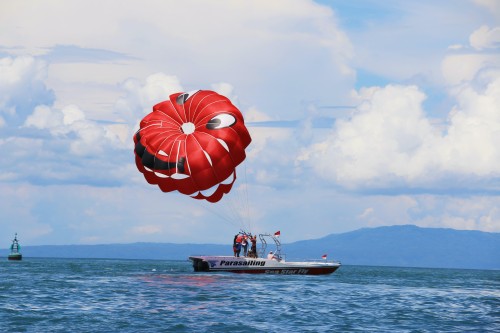
Bali, located in Indonesia, is a popular destination for water sports enthusiasts thanks to its warm waters, beautiful beaches, and great surfing conditions. The island is home to several great surf spots, including Kuta Beach and Uluwatu, which offer waves for all levels of surfers. Bali is also a great destination for scuba diving and snorkeling, with several world-renowned dive sites such as the USS Liberty shipwreck and the Nusa Penida Marine Park. Visitors can also enjoy other water sports such as wakeboarding, jet skiing, and parasailing.
3. Cancun, Mexico
Cancun, located in Mexico, is a popular destination for water sports enthusiasts thanks to its turquoise waters, sandy beaches, and year-round warm weather. The region is home to several great scuba diving and snorkeling spots, including the MUSA Underwater Museum and the Cancun Underwater Museum. Visitors can also enjoy other water sports such as kiteboarding, windsurfing, and paddleboarding. Cancun is also home to several great surf spots, including Playa Delfines and Puerto Morelos.
4. Maldives
The Maldives, located in the Indian Ocean, is a world-renowned destination for water sports enthusiasts thanks to its crystal-clear waters, stunning coral reefs, and abundant marine life. The islands are home to some of the best diving and snorkeling sites in the world, including the Maaya Thila and the Banana Reef. Visitors can also enjoy other water sports such as surfing, windsurfing, and paddleboarding. The Maldives is also a great destination for fishing, with opportunities to catch tuna, marlin, and other game fish.
In conclusion, if you're a water sports enthusiast, then these four destinations are sure to satisfy your cravings for adventure and excitement. Whether you're looking for world-class surfing, scuba diving, or simply relaxing on a beach, these destinations have something for everyone. So pack your bags, grab your gear, and get ready for an unforgettable water sports experience.

If you're a nature lover and enjoy the thrill of the outdoors, then trekking is a great activity for you. Trekking, also known as hiking or backpacking, is a great way to explore the natural beauty of a region while challenging yourself physically. In this article, we will explore four of the best places for trekking.
1. Nepal
Nepal is a country located in the Himalayas and is home to some of the world's highest peaks, including Mount Everest. Trekking in Nepal is a popular activity for adventure enthusiasts and offers some of the most stunning mountain scenery in the world. The most popular trek in Nepal is the Everest Base Camp trek, which takes you through remote villages, breathtaking mountain landscapes, and offers the opportunity to experience Sherpa culture. Other popular treks include the Annapurna Circuit, Langtang Valley trek, and the Manaslu Circuit trek.
2. Patagonia, Argentina
Patagonia is a region located at the southern end of South America, spanning both Argentina and Chile. It is known for its stunning scenery, including glaciers, lakes, and mountains. The most popular trek in Patagonia is the Torres del Paine trek, which takes you through the Torres del Paine National Park in Chile. The trek offers stunning views of the Paine Massif, as well as opportunities to see wildlife such as guanacos and pumas. Other popular treks in Patagonia include the Fitz Roy trek in Argentina and the Huemul Circuit trek in Chile.
3. Inca Trail, Peru
The Inca Trail is a 43-kilometer trek in Peru that takes you through the Andes Mountains to the ancient Incan city of Machu Picchu. The trek offers stunning views of the mountains and the opportunity to experience Incan culture and history. The trail is often busy, and permits are required to trek, so it's important to plan ahead. There are also several alternative treks to Machu Picchu, such as the Salkantay Trek and the Lares Trek, which offer a more remote and less crowded experience.
4. Kilimanjaro, Tanzania
Kilimanjaro is the highest mountain in Africa and is a popular destination for trekkers looking for a challenging and rewarding experience. The mountain has several routes to the summit, each offering a unique perspective on the surrounding landscapes. The most popular route is the Marangu Route, which is the easiest and most direct route to the summit. Other popular routes include the Machame Route, which offers stunning views of the mountain, and the Lemosho Route, which is a longer and more remote trek.
In conclusion, trekking is a great way to experience the natural beauty of a region while challenging yourself physically. These four destinations offer some of the best trekking experiences in the world, from the stunning mountain scenery of Nepal to the remote landscapes of Patagonia. So if you're looking for a new adventure and a chance to explore the great outdoors, pack your bags, grab your gear, and head out on a trek of a lifetime.
If you're an adrenaline junkie looking for some heart-pumping adventure, then you're in luck. From water sports to mountain climbing, there are plenty of destinations around the world that offer exciting adventure sports. In this article, we will explore four of the best places for adventure sports.
1. Queenstown, New Zealand
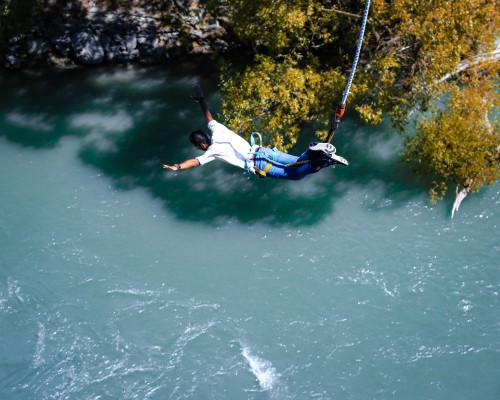
Located on the South Island of New Zealand, Queenstown is a mecca for adventure sports enthusiasts. Known as the "Adventure Capital of the World," Queenstown offers a range of activities such as bungee jumping, skydiving, white-water rafting, and jet boating. One of the most popular activities in Queenstown is the Nevis Swing, which is the highest swing in the world. It is located 134 meters above the Nevis River and offers a thrilling freefall before swinging out over the canyon. Queenstown is also surrounded by stunning scenery, including the Remarkables mountain range and Lake Wakatipu, which make for the perfect backdrop to your adventures.
2. Interlaken, Switzerland
Interlaken is a picturesque town located in the heart of the Swiss Alps. It is a popular destination for adventure sports enthusiasts, thanks to its stunning scenery and range of activities. Visitors can enjoy paragliding, skydiving, canyoning, and bungee jumping in and around Interlaken. One of the most popular activities is the Jungfraujoch, which is the highest railway station in Europe. Visitors can take a train to the top and enjoy breathtaking views of the surrounding mountains. Interlaken is also home to several beautiful lakes, such as Lake Brienz and Lake Thun, which offer opportunities for water sports such as kayaking and paddleboarding.
3. Moab, Utah, USA
Moab is a small town located in the state of Utah, USA. It is known for its stunning red rock formations and is a popular destination for adventure sports enthusiasts. Visitors can enjoy activities such as rock climbing, mountain biking, and white-water rafting in and around Moab. The town is also home to two of the most famous national parks in the USA - Arches National Park and Canyonlands National Park. These parks offer stunning scenery and opportunities for hiking and exploring.
4. Cairns, Australia
Located in the tropical north of Australia, Cairns is a popular destination for adventure sports enthusiasts. The town is surrounded by rainforest, mountains, and the Great Barrier Reef, which offer a range of activities such as scuba diving, snorkeling, skydiving, and white-water rafting. One of the most popular activities in Cairns is diving or snorkeling in the Great Barrier Reef, which is home to a vast array of marine life. Cairns is also home to several stunning waterfalls, such as the Millaa Millaa Falls and the Josephine Falls, which make for the perfect backdrop to your adventures.
In conclusion, if you're an adventure sports enthusiast, then you're spoiled for choice when it comes to destinations around the world. Whether you're looking for a heart-pumping adrenaline rush or simply want to explore the great outdoors, these four destinations are sure to leave you with unforgettable memories. So pack your bags, grab your gear, and get ready for the adventure of a lifetime.

Bangalore, the Silicon Valley of India, is known for its bustling streets, vibrant culture, and unparalleled weather. However, there's more to Bangalore than just its tech culture. The city is surrounded by some of the most breathtaking places in the country, making it the perfect destination for nature enthusiasts and adventure seekers. In this article, we will take a look at some of the best places to visit around Bangalore.
1.Nandi Hills
Nandi Hills is a popular hill station located just 60 kilometers away from Bangalore. The hill station, which is also known as Nandidurg, is surrounded by dense forests and is home to several temples and historical monuments. The top of the hill offers a stunning view of the surrounding landscape, and is the perfect spot to watch the sunrise and sunset.
2.Coorg
Located around 260 kilometers away from Bangalore, Coorg is a picturesque hill station that is known for its coffee plantations, lush green forests, and misty mountains. The hill station is also home to several waterfalls, such as the Abbey Falls and the Irupu Falls, which are a must-visit for anyone visiting Coorg.
3.Mysore
Mysore, also known as the City of Palaces, is located around 150 kilometers away from Bangalore. The city is home to several historical landmarks, such as the Mysore Palace, the Jaganmohan Palace, and the Brindavan Gardens. The city is also known for its traditional crafts and textiles, and is a great place to shop for souvenirs.
4.Hampi
Hampi is a UNESCO World Heritage Site located around 350 kilometers away from Bangalore. The site is home to the ruins of the Vijayanagara Empire, and is known for its stunning architecture and intricate carvings. The site is also surrounded by a beautiful landscape, with boulder-strewn hills and lush green forests.
5.Chikmagalur
Located around 250 kilometers away from Bangalore, Chikmagalur is a hill station that is known for its coffee plantations and scenic landscapes. The hill station is also home to several waterfalls, such as the Hebbe Falls and the Kallathigiri Falls, and is a great place for trekking and hiking.
6.Kabini
Kabini is a wildlife sanctuary located around 200 kilometers away from Bangalore. The sanctuary is home to several species of animals, such as elephants, tigers, and leopards, and is a great place for wildlife enthusiasts. The sanctuary also offers several activities, such as boat safaris and bird watching.
7.Bandipur National Park
Located around 220 kilometers away from Bangalore, Bandipur National Park is a wildlife sanctuary that is home to several species of animals, such as elephants, tigers, and leopards. The sanctuary is also home to several species of birds, making it a great place for bird watching.
8.Belur and Halebidu
Belur and Halebidu are two historical towns located around 220 kilometers away from Bangalore. The towns are home to several ancient temples, such as the Chennakesava Temple and the Hoysaleswara Temple, which are known for their intricate carvings and stunning architecture.
9.Shivanasamudra Falls
Shivanasamudra Falls is a waterfall located around 130 kilometers away from Bangalore. The waterfall is formed by the River Kaveri, and is known for its stunning beauty. The waterfall is also a great place for a picnic, and is surrounded by lush green forests.
In conclusion, Bangalore is not only a great city to visit, but it is also surrounded by some of the most fascinating destinations in India. From the stunning mountain views of Nandi Hills to the rich cultural heritage of Mysore, there is something for everyone within a 250 km radius of Bangalore. Whether you're looking for adventure, relaxation, or a chance to explore the local culture, these destinations are sure to leave you with unforgettable memories.

London is the capital city of England and the United Kingdom, and is one of the world's most iconic and vibrant cities. With a history dating back over 2,000 years, London is a city that is steeped in culture and heritage, yet remains at the forefront of modernity and innovation.
One of the most recognizable landmarks in London is the Big Ben clock tower, which is part of the Houses of Parliament. The tower stands at over 96 meters (316 feet) tall and has become a symbol of London's history and identity. Visitors can take guided tours of the Houses of Parliament and witness debates in the House of Commons and the House of Lords.
Another iconic landmark is the Tower of London, a fortress and palace that has played a central role in English history since the 11th century. The Tower is home to the Crown Jewels, a collection of royal regalia that includes the famous Imperial State Crown, as well as the historic White Tower, which was built in the 11th century.
London is also known for its world-class museums, including the British Museum, which features over eight million artifacts from around the world. Other notable museums include the National Gallery, which houses a collection of over 2,300 paintings dating from the 13th to the 19th centuries, and the Tate Modern, which showcases modern and contemporary art from around the world.
In addition to its history and culture, London is also a world-class destination for shopping, dining, and entertainment. The city boasts some of the best restaurants and chefs in the world, with a focus on traditional British cuisine as well as international flavors. Visitors can also explore some of the city's famous markets, including Borough Market and Camden Market, which offer a wide variety of food, crafts, and souvenirs.
London is also home to some of the world's most famous theaters and musical venues, including the West End theater district, which is home to numerous productions of classic and contemporary plays, as well as musicals. The city also hosts a number of music festivals throughout the year, including the Notting Hill Carnival, which is the largest street festival in Europe.
One of the challenges of visiting London is the city's size and complexity. With a population of over 8 million people, London can be overwhelming for first-time visitors. However, the city has a comprehensive public transportation system, including the famous double-decker buses and the underground railway system, which make it easy to get around.
London is also a city that is constantly evolving and reinventing itself. In recent years, the city has seen a surge in innovation and entrepreneurship, with a thriving tech industry and a growing number of startups. The city is also a leader in sustainable development and green technology, with a commitment to reducing its carbon footprint and preserving its natural resources.
Despite its challenges and complexities, London remains one of the most exciting and dynamic cities in the world. Whether you're interested in history, culture, shopping, dining, or entertainment, London has something for everyone. With a commitment to innovation, sustainability, and diversity, London is a city that is constantly evolving and reinventing itself, while still remaining true to its rich heritage and traditions.



Greece, located in southeastern Europe, is a country known for its ancient history, stunning islands, and Mediterranean cuisine. The country has a rich cultural heritage that has influenced art, literature, and philosophy for centuries, making it a fascinating destination for travelers looking to immerse themselves in history and culture.
One of the most iconic destinations in Greece is the Acropolis, a hilltop fortress in Athens that was built in the 5th century BCE. The Acropolis is home to several ancient temples, including the Parthenon, which is considered one of the greatest examples of classical Greek architecture. Visitors can explore the ruins and learn about the history of ancient Greece at the nearby Acropolis Museum.
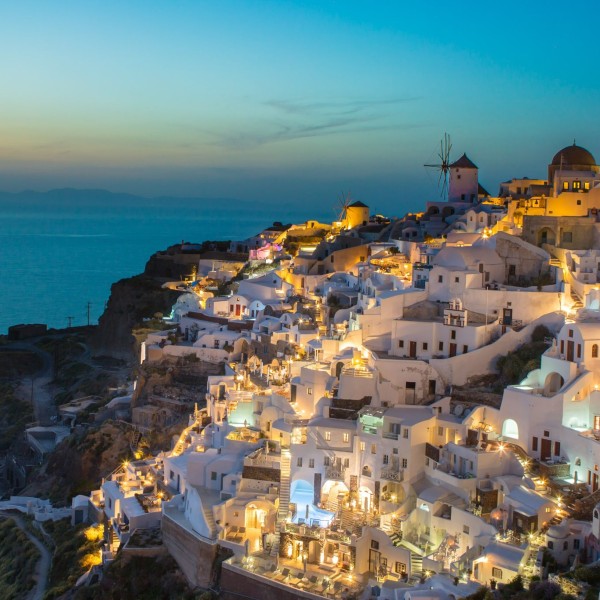
Another popular destination in Greece is Santorini, a stunning island known for its whitewashed buildings, blue-domed churches, and stunning sunsets. The island is also home to several ancient ruins, including the ancient city of Akrotiri, which was buried under ash from a volcanic eruption in 1627 BCE.
Greece is also known for its delicious Mediterranean cuisine, which is characterized by fresh seafood, olive oil, and locally grown produce. Some of the most popular dishes include moussaka, a baked dish made with eggplant, ground meat, and béchamel sauce, and souvlaki, grilled skewers of meat or vegetables.
In addition to its ancient history and stunning islands, Greece is also home to a vibrant and lively culture, with a focus on music, dance, and festivals. One of the most famous festivals is the Athens and Epidaurus Festival, which takes place each summer and features performances of music, theater, and dance.
Another popular cultural attraction in Greece is the Meteora Monasteries, a collection of six Eastern Orthodox monasteries built on top of towering rock formations in central Greece. The monasteries were built in the 14th and 15th centuries and offer stunning views of the surrounding landscape.
Greece is also known for its outdoor activities, with a wide variety of options available for visitors. Hiking is popular on many of the islands and in the countryside, with trails ranging from easy walks to challenging mountain hikes. The country is also a popular destination for water sports, including swimming, snorkeling, and windsurfing.
Despite its many attractions, Greece has faced a number of challenges in recent years, including economic turmoil and a refugee crisis. However, the country has shown remarkable resilience, with a strong commitment to rebuilding and improving its infrastructure and economy.
One of the ways that Greece has been working to overcome these challenges is through sustainable tourism. The country has a growing eco-tourism industry, with a focus on responsible travel practices and the protection of the country's natural resources and cultural heritage.
In addition to eco-tourism, Greece is also working to promote alternative forms of tourism, including agritourism and cultural tourism. Agritourism involves staying on a farm or vineyard and participating in activities like wine tasting, cooking classes, and olive oil production. Cultural tourism involves exploring the country's cultural heritage through activities like visiting museums, attending festivals, and learning about traditional crafts and customs.
In conclusion, Greece is a country that offers something for everyone, from ancient history and stunning islands to delicious cuisine and vibrant culture. Despite its challenges, Greece has shown remarkable resilience and is working to build a sustainable tourism industry that protects the country's natural resources and cultural heritage. With a commitment to innovation and sustainability, Greece is a destination that is constantly evolving and reinventing itself.

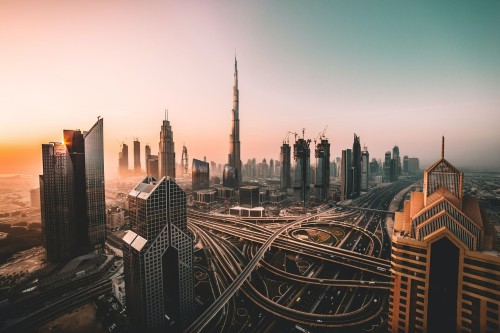
Dubai is a city located in the United Arab Emirates, known for its towering skyscrapers, luxurious shopping, and stunning architecture. Despite being in the middle of the desert, Dubai has transformed itself into a world-class destination that attracts millions of visitors each year.
One of the most iconic landmarks in Dubai is the Burj Khalifa, the tallest building in the world. Standing at 828 meters (2,716 feet) tall, the Burj Khalifa offers breathtaking views of the city from its observation deck on the 124th floor. Visitors can also dine at one of the building's restaurants or stay at the luxurious Armani Hotel, located on the lower floors of the building.
Another popular destination in Dubai is the Dubai Mall, one of the largest shopping malls in the world. The mall features over 1,200 stores, including high-end designer brands, as well as a variety of entertainment options, including an indoor theme park, an aquarium, and an ice skating rink.
Dubai is also known for its stunning architecture, including the iconic sail-shaped Burj Al Arab hotel, which is often referred to as the world's most luxurious hotel. The hotel features 202 suites, each with its own private butler and views of the Arabian Gulf.
For those looking for adventure, Dubai offers a wide variety of activities, including dune bashing in the desert, indoor skiing at Ski Dubai, and skydiving over the Palm Jumeirah, a man-made island in the shape of a palm tree.
Dubai is also home to a diverse and vibrant food scene, with a focus on Middle Eastern cuisine. Visitors can sample traditional dishes like shawarma and falafel at local street vendors, or dine at high-end restaurants like Zuma and La Petite Maison, which offer modern takes on classic Middle Eastern dishes.
Despite its modern amenities, Dubai is also deeply rooted in its culture and heritage. Visitors can learn about the city's history and culture at the Dubai Museum, located in the Al Fahidi Fort, which was built in the late 1700s. The museum features exhibits on the city's traditional industries, including pearl diving and fishing, as well as displays on the history of Dubai's ruling family.
Dubai is also home to a number of mosques, including the Jumeirah Mosque, which is open to non-Muslim visitors for guided tours. The mosque is a stunning example of Islamic architecture, with intricate geometric patterns and soaring arches.
Another popular cultural attraction in Dubai is the Dubai Miracle Garden, a botanical garden that features over 45 million flowers arranged in stunning patterns and designs. The garden is open from November to May and is a popular destination for visitors looking to escape the city and enjoy some natural beauty.
One of the unique features of Dubai is its commitment to innovation and sustainability. The city is home to the world's largest solar power plant, as well as the Masdar City development, a planned city that is being designed as a model for sustainable living.
In conclusion, Dubai is a city that offers something for everyone, from luxurious shopping and dining to stunning architecture and natural beauty. Despite its modern amenities, Dubai is deeply rooted in its culture and heritage, and offers visitors a chance to learn about the city's history and traditions. With a commitment to innovation and sustainability, Dubai is a city that is constantly evolving and pushing the boundaries of what is possible.


New Zealand, located in the southwestern Pacific Ocean, is a country known for its stunning natural beauty, friendly people, and unique culture. Comprised of two main islands and numerous smaller ones, New Zealand is a land of contrasts, from the snow-capped mountains of the Southern Alps to the golden beaches of the North Island.
One of the most iconic destinations in New Zealand is Milford Sound, a fjord located in the Fiordland National Park. Milford Sound is known for its majestic cliffs, towering waterfalls, and crystal-clear waters, and is a popular destination for kayaking, hiking, and scenic boat tours.
Another popular destination is the Tongariro National Park, located in the center of the North Island. The park is home to three active volcanoes, including Mount Ruapehu, which is the largest active volcano in New Zealand. Visitors can hike the Tongariro Alpine Crossing, which is considered one of the best day hikes in the world, and offers stunning views of the volcanic landscape and surrounding mountains.
New Zealand is also known for its unique wildlife, including the kiwi, a flightless bird that is native to the country. The kiwi is a symbol of New Zealand and can be found on everything from the country's currency to its national airline. Visitors can see kiwis up close at a number of conservation centers throughout the country, including the Kiwi Birdlife Park in Queenstown.
When it comes to food, New Zealand is known for its fresh and flavorful cuisine, with a focus on locally sourced ingredients. Seafood is a popular choice, with dishes like green-lipped mussels and paua (abalone) being particular favorites. The country is also known for its wines, especially Sauvignon Blanc, which is produced in the Marlborough region on the South Island.
New Zealand is also home to a vibrant and diverse Maori culture, which has been present in the country for over 1,000 years. Visitors can experience Maori culture through a variety of activities, including traditional dances and ceremonies, visits to marae (Maori meeting houses), and cultural tours.
In addition to its natural beauty and cultural attractions, New Zealand is also known for its friendly and welcoming people. Kiwis (as New Zealanders are commonly known) are known for their laid-back attitude and love of the outdoors, and visitors are often struck by how easy it is to strike up a conversation with locals.
New Zealand is also known for its adventurous spirit, with a wide variety of outdoor activities available for visitors. From bungee jumping and skydiving to hiking and skiing, there's something for everyone in New Zealand. The country is also a popular destination for water sports, including surfing, kayaking, and fishing.
One of the challenges of visiting New Zealand is the country's distance from other major destinations. Located over 1,000 miles from Australia and over 7,000 miles from the United States, New Zealand is not the easiest place to get to. However, for those who make the journey, the rewards are well worth it.
Overall, New Zealand is a country that offers something for everyone, from stunning natural beauty and unique wildlife to a rich and diverse culture and friendly people. Whether you're looking for adventure, relaxation, or a chance to immerse yourself in a new culture, New Zealand is a destination that should not be missed.

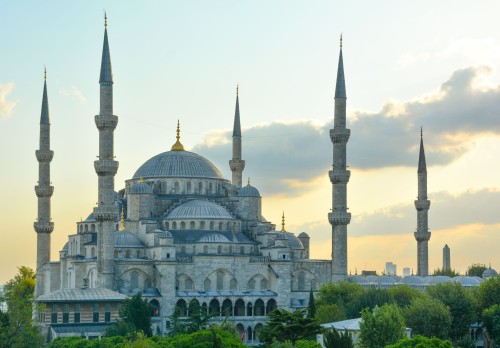
Turkey is a country located at the crossroads of Europe and Asia, with a rich history and diverse culture that spans thousands of years. From its stunning landscapes to its delicious cuisine, Turkey has something to offer everyone.
One of the most famous landmarks in Turkey is the Hagia Sophia, a stunning cathedral-turned-mosque-turned-museum that has stood in Istanbul for over 1,500 years. The Hagia Sophia is known for its impressive dome, intricate mosaics, and stunning architecture, and is considered one of the greatest examples of Byzantine architecture in the world.
Another must-see destination in Turkey is the city of Ephesus, located on the Aegean coast. Once a bustling port city and a center of trade and commerce in the ancient world, Ephesus is now a popular tourist destination thanks to its well-preserved ruins, including the Library of Celsus and the Temple of Artemis, one of the Seven Wonders of the Ancient World.
Turkey is also home to some of the most stunning natural landscapes in the world. The Cappadocia region, located in central Turkey, is known for its unique rock formations, underground cities, and hot air balloon rides that offer breathtaking views of the landscape from above. The region is also home to a number of ancient churches and monasteries carved into the rocks, making it a popular destination for history buffs as well.
Another popular natural attraction in Turkey is Pamukkale, a series of hot springs and travertine terraces that have been used for thousands of years for their healing properties. The mineral-rich waters of Pamukkale are said to be beneficial for a variety of health issues, and the terraces themselves are a stunning sight to behold.
When it comes to food, Turkey is known for its delicious cuisine that blends flavors from the Mediterranean, the Middle East, and Central Asia. From savory kebabs to sweet baklava, Turkish cuisine is a feast for the senses. One popular dish is köfte, a type of meatball that can be made with beef, lamb, or a combination of both, and is often served with rice or vegetables.
Turkey is also known for its strong coffee and tea culture. Turkish coffee, made by boiling finely ground coffee beans in a special pot called a cezve, is thick and strong and is traditionally served with a small glass of water and a sweet treat like Turkish delight. Tea, on the other hand, is a lighter and more refreshing drink that is typically served in small tulip-shaped glasses and can be found everywhere from small cafes to bustling markets.
Finally, Turkey is a country of warm and welcoming people, with a rich and diverse culture that reflects its unique history and location at the crossroads of Europe and Asia. Whether you're exploring the ancient ruins of Ephesus, taking in the stunning landscapes of Cappadocia, or simply enjoying a cup of tea with the locals, Turkey is a destination that is sure to leave a lasting impression.